
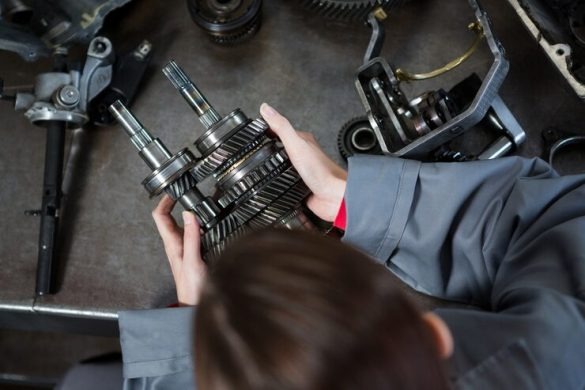
When someone needs a car part urgently, the whole process usually feels more chaotic than expected. You don’t plan it, it just happens suddenly when something stops working properly or starts showing unusual behavior. In that moment, most users start searching online quickly without much preparation or clarity. autoespart.com is one of those platforms people often come across while trying to figure out what actually fits their vehicle without wasting time or money. The issue starts when everything looks similar on the surface. Same type, same category, similar images, and descriptions that sound equally convincing. That creates a kind of confusion where users feel like every option might work. But automotive systems don’t work on “might work” logic. They need exact matching in behavior, compatibility, and long-term stability. Rushed decisions usually skip these checks. And skipped checks usually show problems later during usage, not immediately. That delay is what makes people think something is wrong with the product, when often it’s just incomplete selection thinking.
Vehicle System Connection Reality
A vehicle is not a collection of separate parts working independently. It is a connected system where every component affects another in some way. When one part changes even slightly, the whole system adjusts slowly over time. That adjustment is not always noticeable at first. Many drivers continue using the vehicle normally without realizing anything is changing. But gradually, small symptoms start appearing like vibration, noise, or reduced smoothness. These signs are usually ignored because the vehicle still runs. That is where most long-term confusion begins. People assume the part is fine because the vehicle is still moving. But in reality, system balance may already be shifting. Understanding this connection helps users make better decisions during replacement. It reduces guessing and improves awareness of how parts actually behave together. This simple understanding alone prevents many common mistakes in selection.
Selection Confusion In Online Buying
Online shopping for automotive parts feels easy, but it creates hidden complexity. There are too many options available at once, and all of them look similar at first glance. Users start comparing based on price or appearance because technical details are not always clear. That leads to incomplete decision-making. Many listings do not highlight small but important compatibility differences. These missing details often create problems during installation. A part may look correct but still fail in real usage conditions. This mismatch is one of the most common issues in online automotive buying. Users only realize it after spending time and effort installing the product. That is when frustration starts building. A more careful reading approach can reduce this risk significantly. Checking specifications properly always helps avoid unnecessary mistakes. Online convenience is useful, but it requires patience and attention.
Material Strength And Real Performance Gap
Material quality is something that cannot always be judged by appearance alone. Two parts may look exactly the same but behave very differently after installation. The difference comes from internal material structure and manufacturing quality. These factors are not visible in product images or short descriptions. That is why users often get surprised by performance differences later. Some materials handle heat and pressure better over long usage periods. Others start weakening gradually under the same conditions. This difference becomes clear only after real-world usage begins. Weak materials may function normally at first but degrade faster over time. Strong materials maintain stable performance even under continuous stress. Understanding this pattern helps users make more realistic expectations. It also reduces repeated replacement cycles caused by early failure. Over time, experience becomes more reliable than assumptions.
Price Thinking Mistakes In Buying
Price is usually the first thing users notice when selecting automotive parts. It feels like the easiest way to compare options quickly. But focusing only on price often creates incomplete decisions. Low-priced parts may seem attractive but might not last long under real usage conditions. That leads to repeated replacements, which increases overall cost. On the other hand, expensive parts may include features that are not necessary for normal use. That creates another imbalance in decision-making. Real value is not defined by price alone but by how long the part performs properly. When users shift focus from purchase price to usage lifespan, clarity improves. This helps avoid both overspending and frequent replacement issues. Balanced thinking always leads to better long-term results.
Installation Importance Most People Ignore
Installation is often treated as a simple final step, but it plays a major role in performance. Even a correctly chosen part can fail if installed incorrectly. Small mistakes during fitting can create vibration, misalignment, or uneven wear. These issues may not appear immediately, which makes them harder to detect early. Many users assume the product is defective when problems appear later. But in reality, installation errors are often the main cause. Proper tools and correct technique are essential for stable performance. Some users try DIY installation without enough experience. That sometimes leads to hidden damage that becomes expensive later. Professional installation reduces these risks significantly. It ensures the part works as intended from the beginning. This step should always be treated as important, not optional.
Maintenance Reality Most Users Skip
Maintenance is something most people ignore until a problem appears. That reactive behavior usually leads to higher repair costs and inconvenience. Regular maintenance helps identify small issues before they become serious failures. Simple actions like cleaning, inspection, and checking wear levels make a big difference. Many components degrade slowly due to heat, dust, and continuous use. These changes are not always noticeable at first. Drivers who maintain their vehicles regularly experience smoother performance and fewer breakdowns. Maintenance does not require complex effort, just consistency. Preventive care always works better than emergency repairs. It also improves safety and driving stability over time. A well-maintained vehicle behaves more predictably in different conditions.
System Interaction Understanding
Vehicle systems work through continuous interaction between multiple components. No single part operates independently in real conditions. When one component changes behavior, others respond automatically. This creates subtle performance changes that are not always obvious. Over time, small differences build into noticeable issues. Drivers may feel reduced efficiency or slight discomfort without knowing the cause. That often leads to confusion about part quality. Understanding system interaction helps reduce this confusion. It shifts focus from individual parts to overall behavior. This awareness improves selection accuracy and reduces repeated mistakes. Once users understand this pattern, their decisions become more stable and practical.
Final Practical Insight
Choosing automotive parts is never just a quick buying decision, even if it looks simple at first. It requires understanding compatibility, material behavior, installation accuracy, pricing balance, and system interaction. Each factor plays an important role in final performance. Many users only realize this after facing avoidable problems. A more patient and careful approach always leads to better results. Vehicles perform more reliably when decisions are made with awareness. Small details often create big differences in long-term usage. Experience slowly improves judgment and reduces mistakes over time. That is how smarter automotive decision-making naturally develops.
For more practical automotive insights, smarter spare part guidance, and real-world vehicle care understanding, continue exploring reliable solutions and move toward more confident and efficient driving decisions today.
Read also :-