
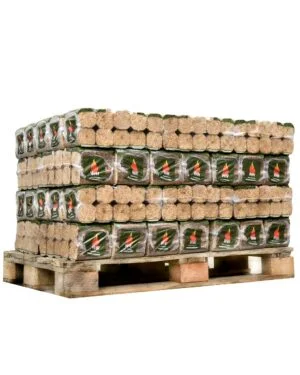
A fireplace can become one of the most used features in a home once temperatures begin to fall, but reliable winter use depends on more than having enough firewood ready to burn. The fireplace, chimney, surrounding area, and fuel supply all need some attention before regular use begins. Preparing these parts in advance can help reduce disruption later in the season. A few practical checks can also make lighting fires easier, improve day-to-day organisation, and create a safer, more comfortable heating routine.
Inspect the Fireplace Area First
Before lighting the first fire of the season, take a close look at the fireplace and the space around it. Check for loose materials, damaged surfaces, excessive dust, or anything that may have collected during the warmer months. Furniture, rugs, baskets, and decorative items should not be positioned too close to the fire.
A clear area makes the fireplace easier to use and helps reduce avoidable risks. It also gives homeowners enough room to handle logs, tools, and ash safely during regular winter use.
Arrange Chimney and Flue Checks
A chimney that has not been used for several months should not simply be assumed to be ready. Soot, debris, or even nesting material may be present, depending on the property and chimney design. Regular sweeping and professional inspection can help identify potential blockages or maintenance needs before fires become frequent.
The exact maintenance schedule depends on the appliance, fuel type, and level of use.
It is better to deal with these checks before cold weather arrives than to discover a problem when heating is needed most.
Prepare a Reliable Lighting Setup
A good fire usually begins with the right materials arranged in the right order. Keep dry kindling, suitable firelighters, and matches or another approved ignition method nearby. These items should be stored somewhere convenient but away from direct heat.
Preparing a small supply of kindling in advance can make everyday lighting much faster.
There is less temptation to use unsuitable materials when everything needed is already available, which helps create a more consistent routine throughout winter.
Keep Fuel Within Easy Reach
The main fuel store may be outdoors, but carrying logs through the house every time the fire needs attention can become inconvenient. A small indoor basket or holder can be used for a short-term supply. Only enough fuel for immediate use should be brought inside, while the main stock remains in a dry, ventilated location.
This arrangement keeps the room organised without sacrificing storage quality.
It can also reduce the number of trips outside during poor weather.
Plan Separately for Pellet Appliances
Some homes use a traditional fireplace or stove alongside another heating appliance that runs on wood pellets. These fuels should not be treated the same way. Pellet bags need particularly dry storage because moisture can cause the contents to swell or break apart.
If both fuel types are kept on the property, designate separate spaces for each. This makes stock easier to manage and reduces the chance of bags being damaged by rough handling, leaking roofs, or damp flooring.
Check Basic Fireplace Tools
Winter preparation is a good time to make sure everyday tools are still in usable condition. A poker, brush, shovel, heat-resistant gloves, and appropriate ash container can all make fireplace management easier. Damaged handles or worn equipment should be replaced before regular use begins.
Keeping tools together in one place also helps maintain a tidier room.
When everything is accessible, tasks such as adjusting logs or cleaning cooled ash become quicker and less disruptive.
Set Up a Cleaning Routine
Fireplaces naturally produce ash, dust, and small pieces of bark. Rather than allowing this to build up, establish a simple cleaning routine from the start of the season. Remove cooled ash as required and keep the hearth area clear.
The frequency will depend on how often the fire is used. Regular light cleaning is usually easier than dealing with a large amount of residue later, and it helps homeowners notice unusual soot or debris that may indicate another issue.
Recheck Supplies Before Cold Spells
Fuel that seems plentiful in autumn may disappear quickly once freezing weather sets in. Check the remaining supply regularly rather than waiting until only a small amount is left. This gives enough time to arrange another order if necessary. It is also worth looking at the condition of stored fuel after heavy rain or storms. Covers can shift, storage roofs can leak, and outdoor conditions can change more quickly than expected.
Conclusion
Preparing a fireplace for winter involves the whole heating setup, not just the fire itself. Chimney checks, organised tools, dry fuel, clean surroundings, and sensible storage all contribute to easier day-to-day use. By dealing with these details before the coldest weather arrives, homeowners can reduce last-minute problems and create a heating routine that is more organised, practical, and ready for regular use throughout the winter season.