
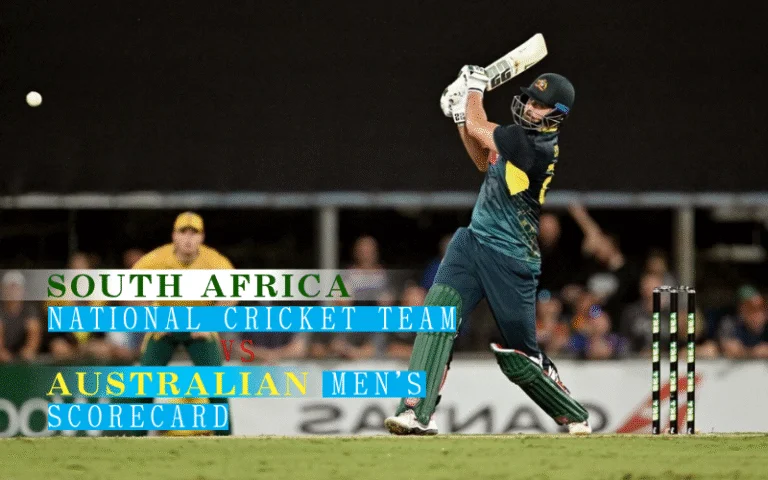
A cricket partnership can change the direction of an innings quite quickly. cricketteamscore.com provides useful scorecard information for readers following batting performances. Partnerships are not only about the number of runs added together. Their timing, length, and situation can matter just as much. Two batters may build an innings differently depending on the match requirements. One partnership may rescue a team after early wickets. Another may increase scoring when plenty of wickets remain. The scorecard provides several clues that help readers understand these differences.
Check The Partnership Total
The partnership total shows how many runs two batters added together. This number appears separately from their individual scores on many detailed scorecards. A partnership of eighty runs can be important after early wickets. It can also provide a strong platform when the innings needs acceleration. Readers should check how many deliveries were used for that partnership. A high total from very few balls suggests aggressive scoring. A similar total from many deliveries suggests a slower rebuilding period. Neither approach is automatically better because match circumstances can change its value.
Notice When Partnerships Begin
The timing of a partnership often explains why it became important. A partnership starting after two quick wickets may have prevented further collapse. Batters in that situation may initially focus on surviving difficult bowling spells. A partnership beginning late in the innings can have another purpose. Those batters may attack more frequently because fewer deliveries remain. Scorecards showing fall of wickets can help identify these moments clearly. Readers can compare the team score before and after each partnership. This makes the innings easier to understand without watching every delivery.
Compare Individual Contributions
Partnership totals should always be compared with individual batter scores. Sometimes both batters contribute almost equally to the partnership. In other situations, one batter scores most of the runs. A partnership of one hundred runs might include sixty five from one player. The other batter may have scored only thirty five during the same period. Their roles were clearly different even though they shared the same partnership. Balls faced can reveal another part of that difference. Strike rate also helps show who was scoring faster.
Look At Balls Used
The number of balls used can completely change how a partnership should be judged. A partnership lasting one hundred balls may indicate controlled accumulation. Another partnership adding the same runs from sixty balls created more scoring pressure. In limited overs cricket, available deliveries are especially important. Batters cannot simply wait forever when the required scoring rate keeps rising. At the same time, attacking every delivery can create unnecessary wicket risk. Scorecards provide enough information to see how quickly partnerships developed.
Watch The Fall Of Wickets
Fall of wickets information gives useful context around every partnership. It shows the team score when each batter was dismissed. Readers can use these figures to identify which partnerships were longest. A team losing its first wicket at a low score may have started poorly. A large gap before the second wicket could indicate strong recovery. Several wickets falling close together may show that the partnership structure collapsed quickly. These details help explain changes in momentum across an innings.
Understand Different Partnership Roles
Not every partnership has the same responsibility during a cricket match. Opening batters often need to manage the new ball and build a foundation. Middle order batters may need to rebuild after wickets fall. Lower order partnerships can focus heavily on collecting valuable final runs. The scorecard does not always explain these roles directly. However, batting positions, wickets, overs, and partnership totals provide useful clues. Understanding those factors prevents readers from judging every partnership using identical expectations.
Check Scoring Rate Changes
Partnerships can also reveal when the scoring rate changed during an innings. Batters may begin carefully before increasing their scoring later. A scorecard with detailed over information can show these changes more clearly. Boundaries can also indicate periods when batters started taking greater risks. A partnership that accelerates late can be extremely valuable in limited overs cricket. However, aggressive scoring can sometimes lead to a dismissal. Readers should therefore consider both scoring improvement and wicket risk.
Consider The Match Situation
The same partnership can have different value in different match situations. A fifty run partnership may be excellent when a team is struggling at thirty. That same fifty may seem modest when chasing a very large target. Required run rate also matters during a chase. Batters may need to score faster when the target remains far away. Wickets available can influence how much risk they can reasonably take. Scorecard figures become much more useful when these circumstances are considered together.
Compare Partnerships Across Innings
Comparing partnerships between both teams can reveal useful differences. One team might build several medium partnerships instead of one huge stand. Another team might depend heavily on a single large partnership. Both approaches can produce competitive totals under different circumstances. Readers can compare partnership sizes, wickets, scoring rates, and overs used. This comparison can reveal which side built innings stability more consistently. It may also show whether one bowling attack regularly broke partnerships.
Use Partnership Data Carefully
Partnership statistics are useful, but they should not become the only measure. A long partnership can still consume too many deliveries in certain formats. A shorter partnership can have greater value if it scores extremely quickly. Conditions, target, wickets, and remaining overs all affect interpretation. Readers should avoid judging performances from one number without context. Looking across several scorecard sections gives a much more reliable picture. This approach also makes player comparisons fairer and easier to explain.
Conclusion
Partnerships are among the most useful parts of a detailed cricket scorecard. They show how batters worked together while the innings developed. Their run total, balls used, timing, and individual contributions all provide different information. Fall of wickets can show exactly when important partnerships ended. cricketteamscore.com can help readers follow these scorecard details while understanding match performances more clearly. Once partnership information is connected with the wider match situation, scorecards become much more informative. Readers can then see which stands rescued innings, created momentum, or supported successful chases.
Read also :-