
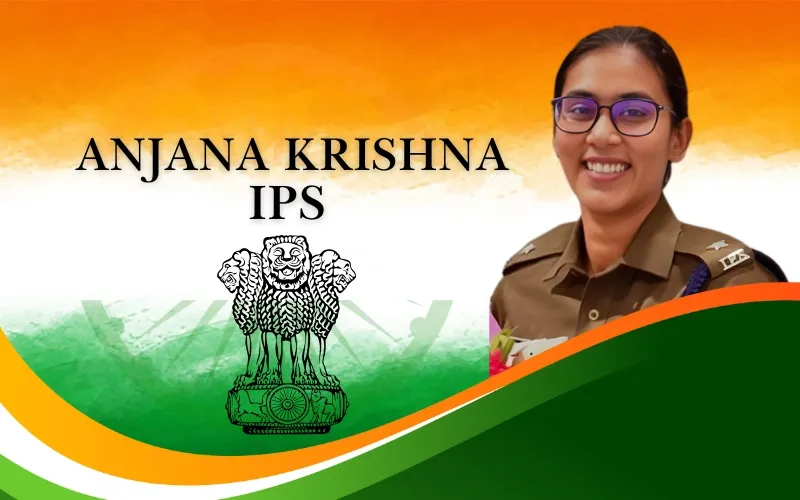
The Indian Police Service remains one of the most admired careers in the country because it combines authority with responsibility. Every year, thousands of graduates prepare for the Civil Services Examination with the hope of becoming IPS officers. The selection process is challenging, but the opportunity to serve society motivates candidates to continue working toward their goal. officersdetails.com provides useful information that helps readers understand government careers in a simple and practical way. A well-designed IPS Corner allows aspirants to learn about recruitment, police administration, training, promotions, and the everyday responsibilities that shape an IPS officer’s professional life.
Service With Purpose
The Indian Police Service is responsible for maintaining peace, protecting citizens, and supporting the legal system throughout the country. Officers serve in different states and central organizations while managing law enforcement and public security.
Many people think police work only involves solving criminal cases. In reality, IPS officers spend a large part of their careers supervising departments, planning security operations, reviewing investigations, and coordinating with government officials. Every responsibility requires careful planning because public confidence depends upon effective administration.
A detailed IPS Corner helps explain these responsibilities in an organized manner so that students can understand the profession before beginning their preparation.
Selection Process Steps
Candidates who want to join the Indian Police Service must clear the Civil Services Examination conducted by the Union Public Service Commission. Graduation from a recognized university is the basic educational requirement for appearing in the examination.
The recruitment process consists of three stages. Candidates first appear in the Preliminary Examination. Those who qualify continue to the Main Examination before attending the Personality Test.
Each stage measures different abilities. The written examinations evaluate knowledge and analytical thinking, while the interview examines confidence, communication, and decision-making skills. Balanced preparation becomes essential because every stage contributes to the final result.
Success usually comes through discipline rather than shortcuts.
Building Study Discipline
Preparing for a competitive examination requires consistency over many months. Candidates should understand the syllabus first before selecting books and study materials. Reading too many resources often creates confusion instead of improving knowledge.
Daily newspaper reading develops awareness of national events, international affairs, government policies, and social issues. These topics frequently appear during both written examinations and interviews.
Revision should become part of every weekly routine because repeated learning improves memory. Candidates who revise regularly generally feel more confident during examinations.
Practicing descriptive answers also improves writing speed and presentation, making ideas easier for examiners to understand.
Training At Academy
Selected candidates receive professional training at the Sardar Vallabhbhai Patel National Police Academy in Hyderabad. The academy prepares future officers through classroom sessions, outdoor activities, and practical simulations.
Training covers criminal law, police administration, forensic science, disaster management, leadership, communication, cybercrime awareness, and investigation procedures. Every subject prepares officers for real situations they may encounter after joining service.
Physical fitness remains equally important because police work often requires stamina and endurance. Outdoor exercises strengthen discipline while encouraging teamwork among trainees.
Ethical conduct receives continuous attention because integrity forms the foundation of effective public service.
Daily Officer Duties
The responsibilities of an IPS officer extend far beyond investigating criminal cases. Officers supervise police stations, inspect departmental performance, review crime reports, and monitor law and order across their assigned regions.
Administrative meetings occupy a significant portion of the schedule. Officers regularly coordinate with district authorities, judicial officials, emergency services, and local administration to improve public safety.
Security planning for festivals, elections, public gatherings, and important government events requires careful preparation. Traffic management, crowd control, and emergency response plans must be organized well before the actual event begins.
Citizens also approach senior officers with complaints and suggestions, making communication an important professional skill.
Promotion And Growth
Career progression follows a structured system based on experience, performance, and official promotion policies. Every promotion brings broader administrative responsibilities and increased leadership expectations.
Many officers specialize in intelligence operations, cybercrime investigations, economic offenses, anti-corruption work, or counterterrorism. Specialized departments require continuous learning because criminal methods continue changing with technology.
Some IPS officers contribute to training academies, public policy development, and police modernization projects. Others receive opportunities to represent India during international programs and professional exchanges.
Learning remains a lifelong part of the profession because public safety challenges continue evolving.
Skills Beyond Academics
Academic knowledge creates a strong foundation, but practical abilities determine long-term success in police leadership. Communication skills help officers explain decisions clearly while maintaining professional relationships with citizens and colleagues.
Leadership requires confidence supported by patience and fairness. Officers frequently guide large teams through situations involving public safety and legal responsibility.
Analytical thinking helps officers evaluate available evidence before making important decisions. Good judgment often prevents unnecessary complications during sensitive situations.
Technology awareness has become equally valuable because digital investigations now form an important part of modern policing.
Technology And Policing
Police organizations across India increasingly depend on technology to improve investigations and administrative efficiency. Online complaint systems, surveillance cameras, forensic laboratories, and digital record management have transformed daily police operations.
Cybercrime investigations continue expanding because financial fraud, online scams, and digital identity theft affect increasing numbers of citizens. Officers receive specialized training to understand these modern challenges.
Data analysis also supports crime prevention by identifying trends and improving resource planning. Technology provides valuable support, but careful human judgment remains essential in every important decision.
Continuous training helps departments remain prepared for future security requirements.
Public Trust Importance
Strong relationships between police departments and citizens improve overall law enforcement effectiveness. Communities cooperate more willingly when officers communicate respectfully and demonstrate fairness in their work.
Police departments regularly organize awareness campaigns covering road safety, cyber security, women’s safety, disaster preparedness, and crime prevention. These initiatives strengthen public confidence while encouraging responsible citizenship.
Community policing programs also help officers understand local concerns before they develop into larger problems. Cooperation between citizens and police creates safer neighborhoods through shared responsibility.
Building trust takes time, but consistent professional conduct produces lasting results.
Challenges And Preparation
The profession presents several demanding situations that require emotional resilience and physical endurance. Officers often work extended hours during elections, emergencies, public festivals, and disaster management operations.
Balancing administrative duties with operational responsibilities requires careful time management. Officers must remain calm while handling multiple priorities under pressure.
Students planning this career should improve reading habits, writing skills, physical fitness, and general awareness from an early stage. Studying reliable information about IPS Corner also helps candidates develop realistic expectations before beginning serious preparation.
Consistent effort remains the strongest advantage throughout the journey.
Conclusion
The Indian Police Service offers an opportunity to serve the nation while leading with integrity, discipline, and professionalism. Becoming an IPS officer requires determination, continuous learning, and the willingness to accept challenging responsibilities throughout an entire career. Understanding every stage of the profession before starting preparation helps candidates make informed decisions and build stronger strategies for success. Continue learning from trusted sources, stay committed to your preparation, and take steady steps toward achieving your dream of joining the Indian Police Service.
Read also :-
shraddha joshi sharma irs rank